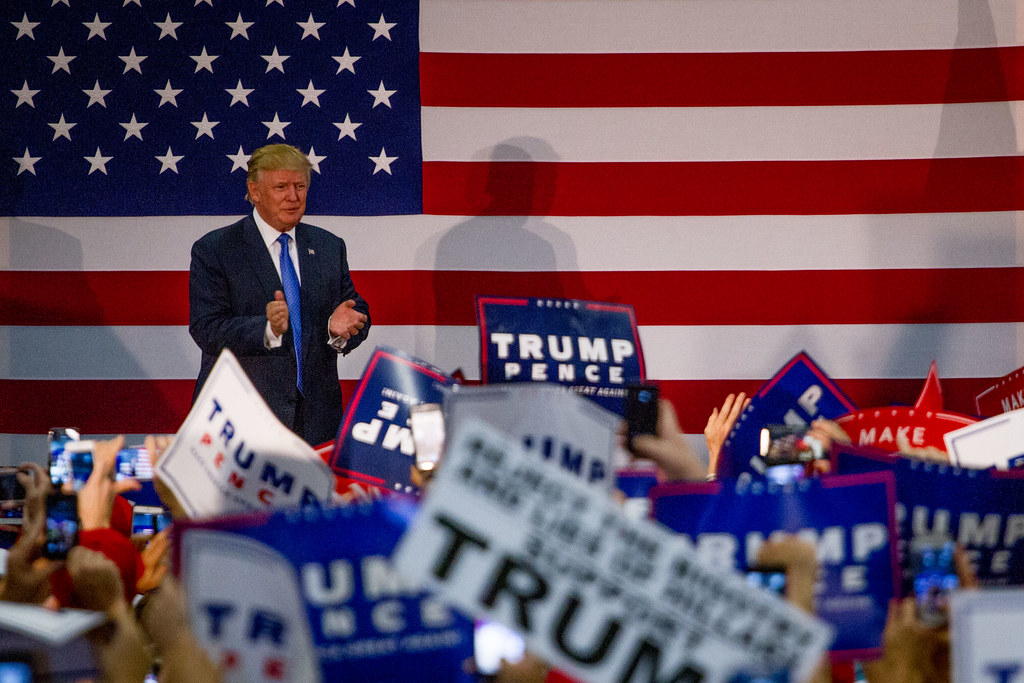
Trump GOP turnout is a key focus as the midterm elections approach. Following a rally in Florida, Trump aims to galvanize support in Kansas and Iowa.
Understanding Trump’s Strategy for GOP Turnout
Former President Donald Trump continues to play a pivotal role in shaping the Republican Party’s strategy for the upcoming midterm elections. His recent rally in Florida showcased his focus on energizing the GOP base, as he aims to boost turnout in key battleground states such as Kansas and Iowa.
Trump’s strategy hinges on his ability to galvanize supporters, leveraging his popularity among the party’s core constituents. Observers note that his rallies often serve as a platform to rally voters, emphasizing issues that resonate deeply with the Republican electorate.
- Mobilization Efforts: Trump has been encouraging grassroots mobilization, urging his followers to engage in local campaigns.
- Messaging Focus: The messaging at his events often highlights economic issues and immigration, which are critical to GOP voters.
- Candidate Endorsements: Trump’s endorsements of certain candidates are seen as a way to unify the party and enhance GOP turnout.
As the elections approach, the effectiveness of Trump’s approach to GOP turnout will be a significant factor in determining the party’s success in reclaiming control in Congress.
Impact of Florida Rally on Voter Engagement
The recent rally held by former President Donald Trump in Florida has sparked significant discussions about its potential impact on GOP turnout in the upcoming midterm elections. Many political analysts believe that such events could energize the Republican base, leading to increased voter engagement.
Trump’s rallies are known for drawing large crowds, and the Florida event was no exception. Supporters expressed enthusiasm and a renewed sense of purpose as they rallied behind the former president’s agenda. This type of engagement is crucial for the GOP, especially in competitive states where voter turnout could determine election outcomes.
Some key factors highlighting the impact of the rally include:
- Mobilization of Voters: The rally served as a platform to energize supporters and encourage them to participate in the elections.
- Media Coverage: Extensive media coverage of Trump’s events keeps the conversation alive, drawing attention to GOP candidates.
- Grassroots Organization: The rally helps local GOP organizations to connect with voters on a personal level, fostering a sense of community and shared goals.
As the midterms approach, the effectiveness of Trump’s strategy for boosting GOP turnout remains a topic of interest for many within the political landscape.
Key States: Kansas and Iowa
As the midterm elections approach, key states such as Kansas and Iowa are becoming focal points for Trump’s efforts to galvanize GOP turnout. Both states have shown significant potential for Republican gains, and Trump’s strategy aims to capitalize on this momentum.
In Kansas, recent polling indicates a competitive race that could sway the balance of power in the House. The state’s Republican base is energized, and Trump’s endorsement of local candidates could play a crucial role in mobilizing voters. Many residents are looking for strong leadership, and Trump’s presence is expected to drive turnout significantly.
Iowa, on the other hand, has historically been a battleground state. With its pivotal caucus system, the state has the potential to influence national trends. Trump’s rallies are designed to appeal to the rural voters who form a significant part of the GOP base. His focus on issues such as agriculture and economic recovery resonates deeply with these constituents.
- Kansas: Competitive House races and local endorsements.
- Iowa: Key battleground with a focus on rural voter engagement.
- Strategy: Boosting GOP turnout by rallying support in these crucial states.
Ultimately, Trump’s approach may determine the success of the GOP in these midterm elections, highlighting both states as essential for enhancing party turnout.
Analysis of GOP Turnout Trends
The analysis of GOP turnout trends reveals several critical factors influencing voter engagement ahead of the midterms. Recent data suggests that Trump’s appeal remains a significant motivator for Republican voters, particularly in battleground states. Observers note that his rallies and public appearances have historically driven higher turnout rates, as enthusiastic supporters rally around his candidacy.
In the wake of Trump’s Florida rally, many political analysts are scrutinizing the implications for GOP turnout in key states like Kansas and Iowa. These states are pivotal for Republican success, and Trump’s influence could be a determining factor. The Republican National Committee has reported an increased interest in voter registration and participation among demographics that traditionally align with Trump’s policies.
However, there are concerns about whether this focus on Trump’s popularity will translate into sustained voter engagement. Some party members argue that relying heavily on his persona could alienate moderate Republicans and independents. The upcoming midterms will serve as a critical test of whether Trump’s approach effectively galvanizes the base or if it risks dividing voters. As the election date approaches, the conversation surrounding Trump GOP turnout will undoubtedly intensify.
Challenges Facing Republican Candidates
As the midterm elections approach, Republican candidates face several challenges that could impact their chances of success. One of the most pressing issues is the need to maintain high GOP turnout, particularly among key demographics that have historically supported the party.
Many candidates are grappling with internal divisions within the party, which could hinder their ability to present a unified front. Additionally, the influence of Trump’s GOP turnout strategy raises questions about its effectiveness in different regions. While some candidates embrace his approach, others worry it may alienate moderate voters.
The current political landscape is further complicated by the ongoing debates over critical issues such as inflation, healthcare, and immigration. These topics resonate differently with various voter groups, and candidates must tailor their messages accordingly to maximize support.
Moreover, the logistics of campaigning during a pandemic continue to pose challenges. Candidates must find innovative ways to engage voters while adhering to safety guidelines. As Republican candidates navigate these obstacles, the focus will remain on whether Trump’s strategies can indeed boost GOP turnout in crucial races.
Voter Sentiment Ahead of Midterms
As the midterm elections approach, voter sentiment is shifting, with many looking to Trump’s influence on GOP turnout. Recent polls indicate a mixed response among Republican voters, with enthusiasm varying significantly across different demographics.
Many party loyalists express a sense of optimism, driven by Trump’s rallying cries for the GOP. However, there are concerns about whether this energy will translate into actual votes. Key issues driving voter sentiment include:
- Economic Concerns: Many voters are focused on inflation and job security, which could impact their decisions at the polls.
- Social Issues: Topics such as abortion rights and gun control are resonating with a significant portion of the electorate.
- Party Unity: Some Republican voters remain wary of the divisions within the party, questioning whether Trump’s approach will effectively unite them.
Despite these challenges, Trump’s recent efforts to boost GOP turnout suggest that his influence remains strong. As Republicans prepare for the midterms, understanding the complexities of voter sentiment will be crucial in shaping their strategies moving forward.
Predictions for Election Outcomes
As the midterm elections approach, predictions regarding the outcomes are becoming increasingly prominent among political analysts. With Trump actively campaigning to boost GOP turnout, many wonder if his strategy will yield the desired results in crucial battleground states.
Several factors are expected to influence the election outcomes:
- Voter Enthusiasm: Trump’s ability to energize his base could lead to higher turnout rates, particularly among Republican voters who feel disconnected from traditional party candidates.
- Key Demographics: Engaging younger voters and minorities is essential for the GOP. Strategies that resonate with these groups may enhance overall turnout.
- Local Issues: Candidates focusing on pressing local concerns may sway undecided voters and encourage them to head to the polls.
- Media Coverage: The extent of media coverage surrounding Trump’s rallies and endorsements may impact voter awareness and participation.
Ultimately, while Trump’s approach to bolstering GOP turnout may attract loyal supporters, the effectiveness of these tactics in securing a favorable election outcome remains to be seen. As excitement builds, many are closely monitoring these developments.
Historical Context of Midterm Elections
The historical context of midterm elections reveals significant patterns that may impact the upcoming race, especially regarding Trump GOP turnout. Traditionally, midterms serve as a referendum on the sitting president’s performance, which often influences voter motivation and engagement.
In previous midterm elections, turnout rates have varied greatly, with factors like economic conditions, major political events, and key figures playing crucial roles. For instance, the 2010 midterms saw a surge in voter turnout driven by the Tea Party movement, while the 2018 elections witnessed high engagement levels as opposition to President Trump mobilized voters across the nation.
Trump’s approach, particularly his recent rally in Florida, aims to rally his base and encourage participation in key battleground states. Historical data shows that candidates who successfully energize their supporters tend to see higher turnout, which could be pivotal in states like Kansas and Iowa. Furthermore, the GOP’s ability to capitalize on Trump’s influence may significantly affect the overall voter turnout, as evidenced by patterns from past elections.
Understanding these historical contexts provides valuable insights into what strategies may be most effective for the GOP in the approaching midterms.
Many political analysts believe that high Trump GOP turnout could significantly influence the outcome of the midterms. As the party rallies around his candidacy, understanding the dynamics of Trump GOP turnout becomes crucial for strategists.
By Michael Candelori Photography via Openverse
Read the original
You might also like
NTPC Green Energy performance: Proven highlights of Q2 2026 · GPS Alternative Satellite: Best Proven Technology for India · India bloc march: Proven strategies for successful protests