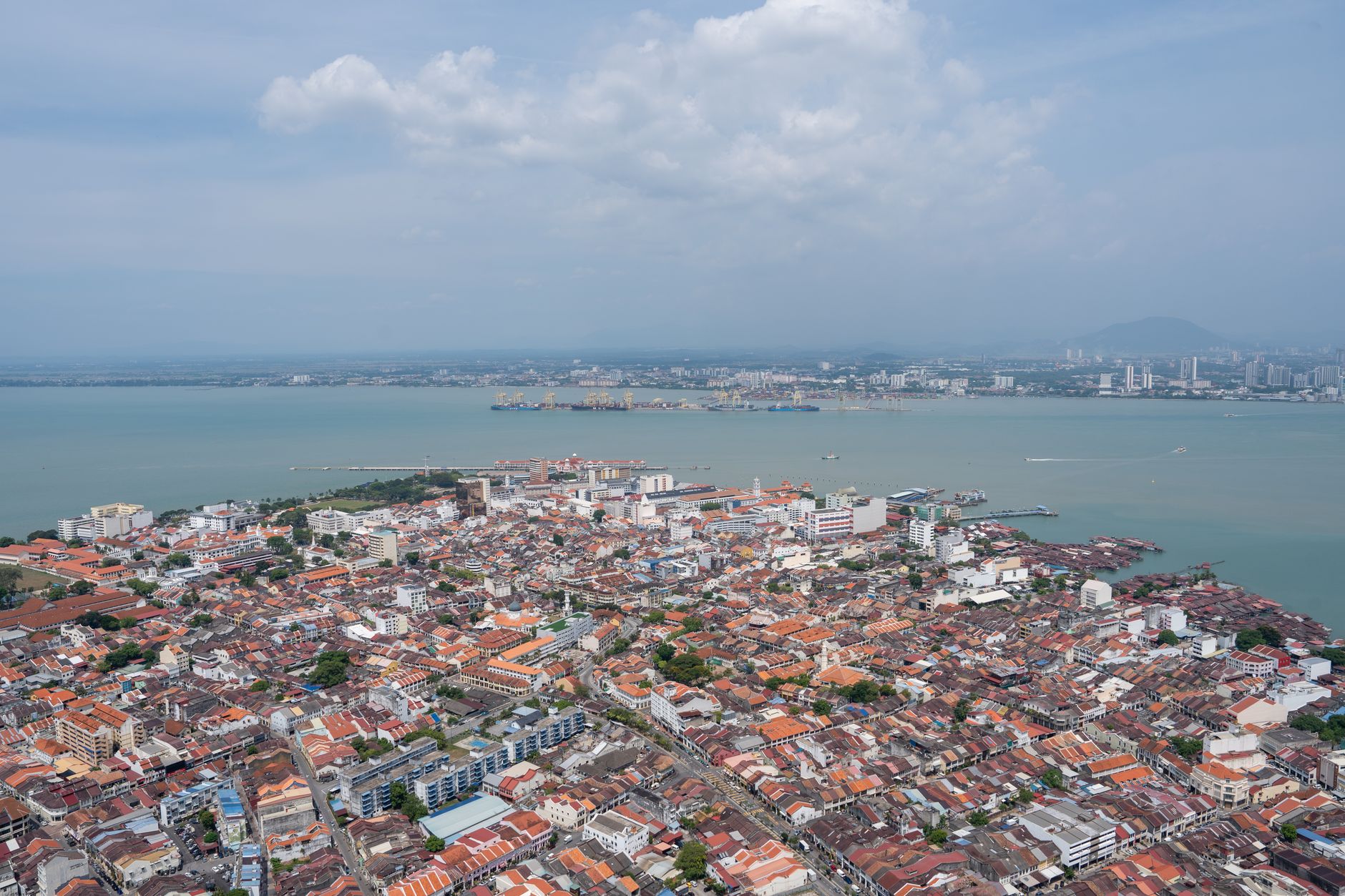
Malacca trade route is crucial for India, especially in the context of escalating tensions in the Middle East that threaten key trade flows.
Understanding the Malacca Trade Route
The Malacca trade route is one of the most crucial maritime passages in the world, connecting the Indian Ocean to the South China Sea. This narrow strait is vital for international shipping, as it serves as a shortcut for vessels traveling between Europe and Asia. Its strategic importance cannot be overstated, especially for India, which relies heavily on this route for trade and energy supplies.
Disruptions to the Malacca trade route could have severe implications for India, impacting economic stability and energy security. The route facilitates approximately 80% of India’s trade with Southeast Asia and beyond, making it a lifeline for the nation’s economy.
Furthermore, the growing tensions in the Middle East raise concerns about the security of the Malacca trade route. The potential for conflict or piracy in this region could lead to significant delays and increased costs for shipping, underscoring the need for India to bolster its maritime strategy and regional partnerships.
Impact of Middle East Tensions
The ongoing tensions in the Middle East have raised significant concerns regarding the security of the Malacca trade route, a vital passage for global shipping and India’s trade. Disruption in this area could lead to severe economic consequences for India, which heavily relies on this route for importing energy and other essential goods.
Experts warn that any conflict in the region could escalate, potentially affecting maritime security and increasing shipping costs. The repercussions of such disruptions are multifaceted:
- Increased Fuel Prices: A halt in trade could lead to skyrocketing fuel prices, affecting transportation and overall economic stability.
- Supply Chain Disruptions: Essential goods may face delays, impacting various sectors, including manufacturing and agriculture.
- Geopolitical Risks: Heightened tensions could lead to military interventions, further jeopardizing the safety of the Malacca trade route.
In summary, the stability of the Malacca trade route is crucial for India, especially amid rising geopolitical uncertainties in the Middle East.
Malacca Trade Route and India’s Economy
The Malacca trade route plays a pivotal role in shaping India’s economy, serving as a vital artery for maritime trade. Approximately 80% of India’s trade is conducted via sea routes, with the Malacca Strait being a crucial passage for goods moving between Asia and beyond. Disruption of this route could have far-reaching consequences for Indian industries reliant on imports and exports.
In recent years, logistical challenges and geopolitical tensions have raised alarms about the security of the Malacca trade route. The stakes are particularly high for India, which imports a significant amount of oil and natural gas through this passage.
Furthermore, any instability in the region could lead to increased shipping costs, delays, and a potential rise in commodity prices. A comprehensive strategy is essential for India to mitigate these risks and ensure uninterrupted access to this critical trade corridor.
- Oil imports
- Natural gas supply
- Shipping costs
Potential Disruptions and Responses
The Malacca trade route is not only crucial for global commerce but also poses several potential disruptions that could significantly impact India. These disruptions may arise from geopolitical tensions, piracy, or natural disasters, all of which could threaten the flow of goods through this vital passage.
Among the most pressing risks are:
- Geopolitical Conflicts: Heightened military tensions in the region can lead to increased instability, disrupting shipping routes and causing delays.
- Piracy: The threat of piracy remains a concern, as it can deter trade vessels from using the route, impacting supply chains.
- Natural Disasters: Events such as earthquakes or tsunamis can damage port infrastructures, hindering operations.
In response to these potential disruptions, India must enhance its maritime security and diversify trade routes, ensuring a steady flow of goods and maintaining economic stability.
Photo by Wilfried Strang on Pexels



One thought on “Malacca trade route: The Worst Proven Risks to India”