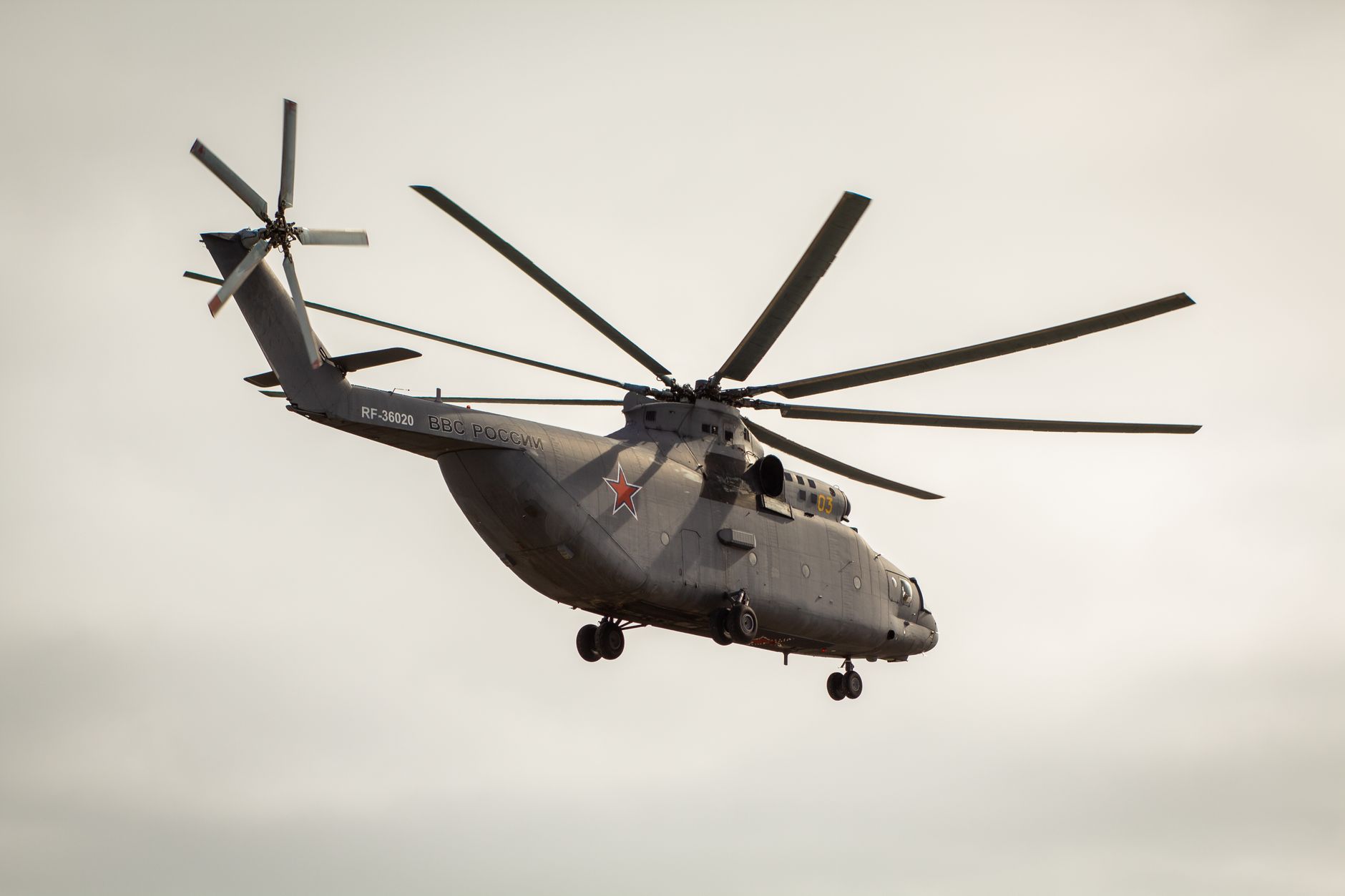
The Russian military helicopter entered Polish airspace briefly, prompting reactions from the Polish army. This incident has raised questions about airspace security in Eastern Europe.
Overview of the Incident
On a recent day, a Russian military helicopter entered Polish airspace briefly, raising concerns among defense officials and the public alike. This incident has sparked debates regarding the implications of such incursions and their potential threats to national security.
The Polish army reported that the helicopter was detected in the vicinity of the border, leading to an immediate response from Polish air defense systems. While the incursion was short-lived, it brought attention to ongoing tensions in Eastern Europe, particularly between NATO countries and Russia.
Polish officials stated that the helicopter’s actions could be considered a violation of their airspace, which is governed by international law. The incident has prompted discussions on the need for enhanced surveillance and preparedness in the region. Key points from the overview include:
- The helicopter’s flight pattern appeared to be uncoordinated with any official channels.
- No confrontation occurred, but the potential for escalation remains a concern.
- Military analysts are examining this event as part of broader patterns of Russian military behavior.
In summary, the brief incursion by the Russian military helicopter has raised alarms and will likely lead to increased scrutiny of airspace security measures in Poland.
Responses from the Polish Army
In response to the recent incursion of a Russian military helicopter into Polish airspace, the Polish Army has issued a statement outlining their position. The incident, which lasted only a few minutes, raised immediate concerns about the potential implications for national security.
According to military officials, the Russian military helicopter was detected and tracked as it briefly crossed into Polish territory. The Army emphasized that they are maintaining heightened vigilance in the region, particularly given the ongoing tensions between NATO and Russia.
Key points from the Polish Army’s response include:
- The quick identification and monitoring of the Russian military helicopter.
- Reassurances that there was no direct threat to Polish airspace or citizens during the incident.
- A commitment to ongoing surveillance and readiness to respond to any future incursions.
Military experts suggest that while this incident is concerning, it should be viewed in the broader context of airspace violations that have occurred in the past. The Polish Army’s proactive measures are aimed at ensuring stability and security in the region.
Implications for Airspace Security
The recent incursion of a Russian military helicopter into Polish airspace has raised significant concerns regarding airspace security in the region. This incident underscores the potential for escalating tensions between NATO members and Russia. The implications of such breaches are multifaceted and warrant careful consideration.
Firstly, the presence of a Russian military helicopter in Polish airspace could lead to heightened alertness among neighboring countries, prompting them to reassess their air defense protocols. Countries in the region may increase surveillance measures to ensure swift responses to any similar incidents in the future.
Secondly, the event may strain diplomatic relations between Poland and Russia, with potential repercussions for broader geopolitical stability. Both military and civilian aircraft operate in these airspaces, and any unauthorized entry could lead to miscalculations or unintended confrontations.
Furthermore, military analysts suggest that repeated incursions may indicate a shift in Russian strategy, aiming to test the resolve of NATO alliances. In light of these factors, it is imperative for affected nations to engage in dialogue while reinforcing their airspace security to prevent future incidents.
Historical Context of Airspace Violations
The issue of airspace violations is not new, particularly in regions with complex geopolitical tensions. Historically, incursions by military aircraft have been a point of contention between nations, often leading to heightened military readiness and diplomatic disputes.
In the context of the Russian military helicopter, previous instances have shown that such violations can escalate rapidly. Notably, during the Cold War, airspace breaches were common, with both NATO and Soviet forces frequently challenging each other’s boundaries. These actions were often met with stern responses and military posturing.
In more recent years, incidents involving Russian military aircraft have sparked international concern, particularly when they occur near NATO member states. Some of these incidents include:
- Frequent flights near the Baltic states, raising alarms among neighboring countries.
- Reports of unannounced drills that lead to temporary airspace invasions.
- Interactions that sometimes result in near-collisions with commercial aircraft.
As nations analyze the implications of the latest Russian military helicopter incursion, it is crucial to consider this historical context, which underscores the potential for misunderstandings and escalation in an already tense environment.
International Reactions
The recent incursion of a Russian military helicopter into Polish airspace has elicited a range of international reactions, highlighting concerns over regional security and airspace violations. Various nations have expressed their apprehension regarding the implications of such incidents.
Responses from NATO allies have been particularly noteworthy. Germany has called for a thorough investigation into the breach, emphasizing the need for collective defense measures. France echoed similar sentiments, advocating for enhanced monitoring of airspace to prevent future occurrences. Additionally, The United States reiterated its commitment to supporting Poland and other Eastern European countries in maintaining air security.
On the diplomatic front, Russia has dismissed the allegations, claiming that the helicopter was conducting routine operations. This assertion has been met with skepticism from several European leaders, who fear it may be a prelude to more aggressive actions.
Furthermore, Ukrainian officials have expressed solidarity with Poland, recognizing the precariousness of the situation and the potential threat posed by Russian military activities in the region. The incident underscores the delicate balance of power in Eastern Europe and the ongoing tensions surrounding airspace security.
Future of Poland-Russia Relations
The recent incursion by a Russian military helicopter into Polish airspace has reignited discussions about the future of Poland-Russia relations. Historically, these two nations have had a complex relationship, marked by periods of tension and cooperation. The incident raises important questions about the stability of their interactions going forward.
Poland has consistently sought to strengthen its defense capabilities, especially in light of its geographic proximity to Russia. As a member of NATO, Poland is committed to collective security, but unilateral actions by the Russian military can undermine these efforts.
In the wake of the recent incursion, it is vital for both countries to engage in diplomatic dialogue to prevent further misunderstandings. Key factors influencing future relations include:
- The role of NATO in Eastern Europe
- Economic ties between Poland and Russia
- Regional security concerns
- Public sentiment in Poland towards Russia
Ultimately, the incident involving the Russian military helicopter could serve as a catalyst for deeper discussions on airspace security and mutual respect, or it could exacerbate existing tensions if not addressed promptly.
Photo by Павел Гавриков on Pexels
Read the original
You might also like
Loblaw Food Inflation Report: Honest Insights for September · Are Election Commissioners’ Decisions the Right Choice? · Hormuz Strait Importance: Macron’s Clear Warning on Underestimation
One thought on “Is the Russian military helicopter incursion a real threat?”