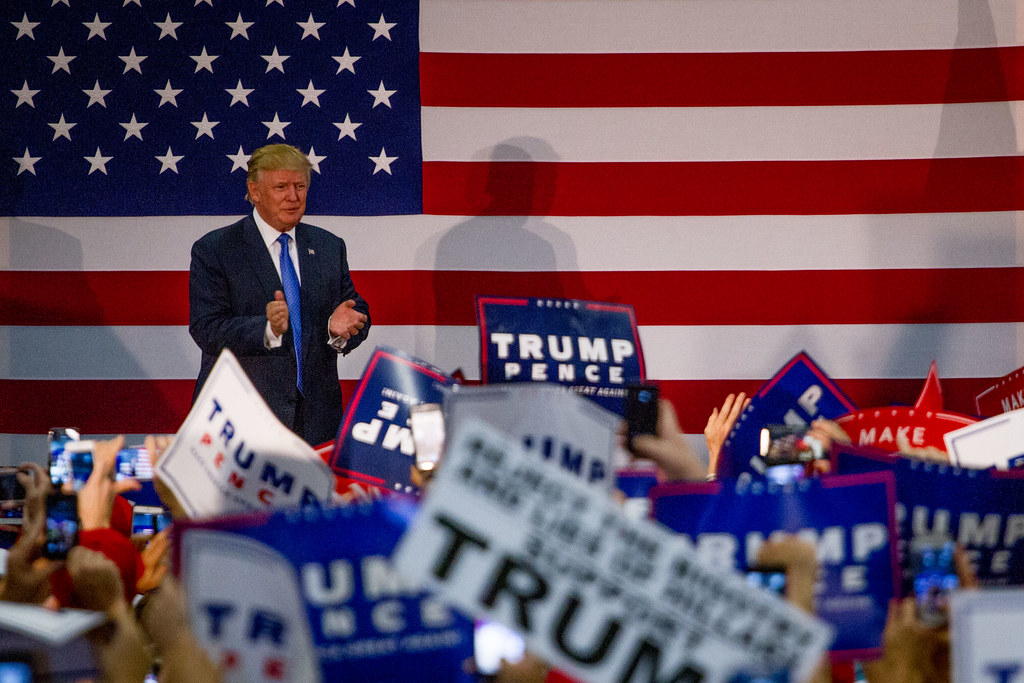
US midterms election interference is becoming a pressing concern as Trump’s actions suggest an attempted heist of democratic processes.
Understanding Election Interference
As the US midterms approach, concerns about election interference have escalated. The integrity of the electoral process is under scrutiny, with many pointing to past incidents as warning signs of what could happen again. Interference can take many forms, from disinformation campaigns to direct threats against the electoral system.
Understanding the mechanisms behind election interference is crucial for safeguarding democracy. Some key factors include:
- Digital Disinformation: The spread of false information on social media platforms can sway public opinion and create confusion among voters.
- Foreign Influence: Countries may attempt to meddle in elections to destabilize the political landscape or support particular candidates.
- Domestic Tactics: Groups within the country may engage in tactics aimed at suppressing votes or manipulating results.
With the US midterms election interference being a focal point for many political analysts, a proactive approach to counteract these threats is essential. As history has shown, the consequences of inaction can be dire, making it imperative for voters and officials alike to remain vigilant.
The Role of Trump in the Midterms
The role of former President Donald Trump in the US midterms election interference has been significant and controversial. Many observers argue that his actions and rhetoric have set the stage for a chaotic electoral environment. Trump’s insistence on questioning the integrity of the voting process has raised alarms about the potential for widespread misinformation.
In recent months, Trump has mobilized his supporters to rally against what he terms “rigged” elections, a narrative that echoes his claims from the 2020 presidential race. This strategy aims to not only energize his base but also to cast doubt on the legitimacy of the upcoming elections. Analysts warn that such tactics could undermine public confidence in the electoral system.
Critics have pointed out that Trump’s involvement in the midterms reflects a broader pattern of attempting to influence and manipulate the democratic process. Some key points include:
- Voter Suppression: Efforts to create barriers for voters.
- Misinformation Campaigns: Spreading false information about voting procedures.
- Pressure on Election Officials: Attempts to coerce officials into altering results.
These actions illustrate a concerning trend that could impact the integrity of the elections.
Impact on Voter Turnout
The impact of election interference on voter turnout during the US midterms cannot be underestimated. As tensions rise and misinformation spreads, many voters feel disillusioned and confused about the electoral process. This creates a climate where potential voters may hesitate to participate, fearing that their voices will be drowned out by nefarious tactics.
Research indicates that when voters perceive a threat to the integrity of elections, they are less likely to engage. This is particularly evident in the current political landscape, where accusations of US midterms election interference have been rampant. Many citizens feel that their votes may not matter, leading to apathy and disengagement.
Moreover, the tactics employed to influence public opinion can disproportionately affect certain demographics. Key groups, including young voters and minorities, may be targeted with misleading information, further complicating their voting decisions. The result is a suppression of turnout that undermines the democratic process.
Efforts to combat this interference must focus not only on safeguarding electoral integrity but also on empowering voters to make informed choices. The stakes are high, and the future of democracy hangs in the balance.
Historical Context of US Elections
The landscape of US elections has long been marred by concerns over interference, highlighting a troubling history that precedes the current midterms. In recent decades, various attempts at manipulating the electoral process have surfaced, often leaving lasting impacts on public trust.
Key events that shaped this context include:
- The 2000 Presidential Election: The controversy surrounding Florida’s vote count raised questions about the integrity of the electoral process.
- The 2016 Presidential Election: Foreign interference, particularly from Russian actors, revealed vulnerabilities in the electoral system and prompted widespread scrutiny.
- State-Level Lawsuits: Numerous legal battles over voter ID laws and gerrymandering have underscored the ongoing struggle for fair representation.
As the US midterms approach, the specter of election interference looms large. The implications of past attempts serve as a stark reminder that the fight for electoral integrity remains crucial. The current political climate is further complicated by Trump’s ongoing influence and his efforts that some perceive as an attempted heist of the democratic process.
Future Implications for Democracy
The implications of the US midterms election interference extend far beyond the immediate electoral outcomes. As the political landscape evolves, the integrity of democratic processes hangs in the balance. Experts warn that attempts to manipulate election results undermine public confidence in democracy itself.
One significant concern is the potential normalization of interference tactics. If unaddressed, these actions may set a dangerous precedent for future elections, eroding the foundational principles of fair representation and accountability. Voters may begin to question the legitimacy of results, leading to increased polarization and disengagement from the political process.
Moreover, the involvement of prominent political figures, such as Trump, in these efforts raises alarms about the future of governance. The erosion of trust among citizens could culminate in a cycle of disillusionment, where political participation diminishes and extremist factions gain traction.
In light of these challenges, it is critical for lawmakers and civic organizations to proactively safeguard electoral integrity. Fostering transparency and promoting civic education are essential steps in ensuring that democracy remains resilient against future attempts at interference.
The investigation into the US midterms election interference has revealed a network of foreign actors attempting to manipulate voter sentiment. As authorities work to secure the electoral process, the implications of this US midterms election interference are far-reaching and concerning.